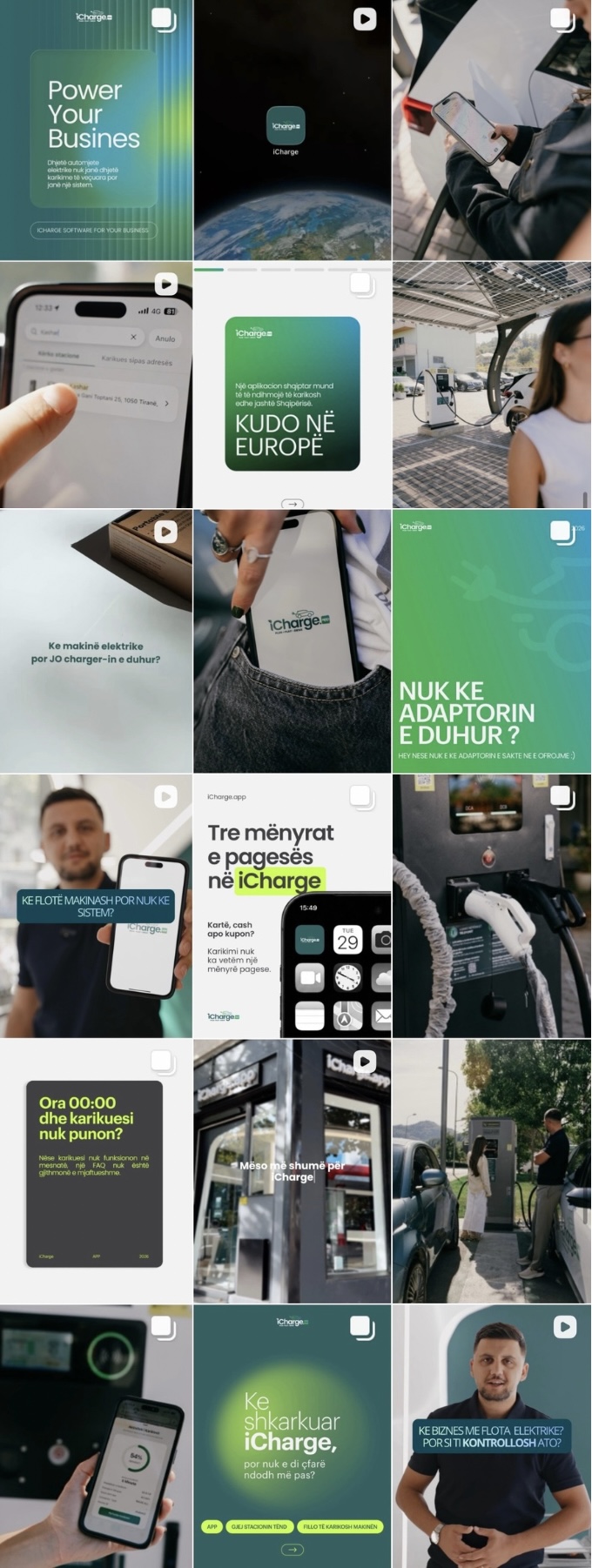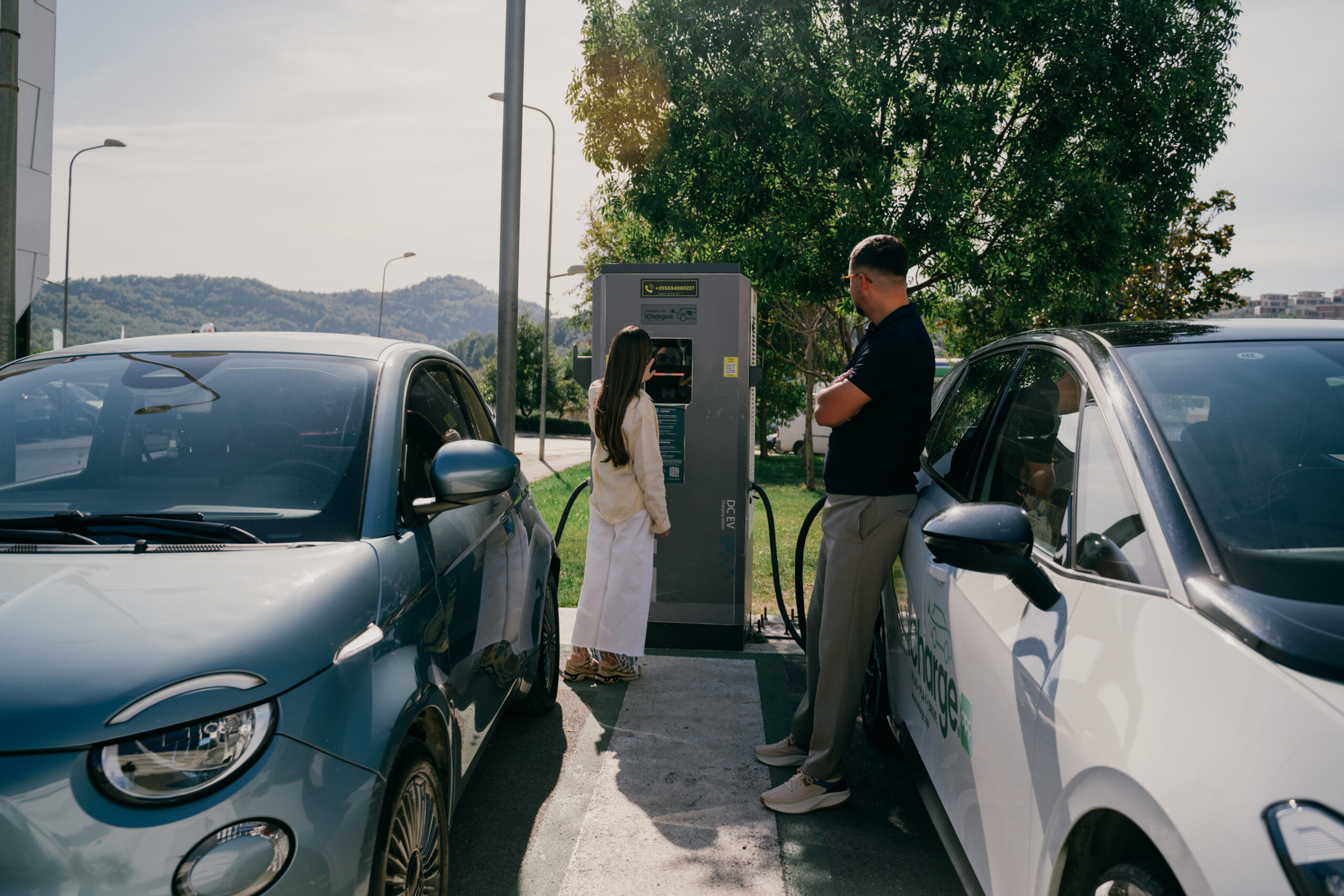


An app social media strategy has to do two jobs at once: explain what the product does and give people a reason to download it. For iCharge, an Albanian EV charging app, ZOE built that strategy from the ground up, starting in October 2026.
The client: one app for the whole charging journey
iCharge is a companion for electric vehicle drivers, from finding a station to finishing a charge, in Albania and beyond. The product works in two directions: an app for drivers and a management platform for businesses that offer charging.
- For drivers (EV owners, tourists and fleets): find compatible stations on a live map, navigate to them, start charging with a QR code, the app or an RFID card, follow energy, time and cost, and pay by card, by cash top-up through UPay or with prepaid vouchers, with roaming on partner networks abroad and 24/7 support.
- For businesses (hotels, restaurants, car parks, shopping centres, offices and institutions): manage one or more chargers, set prices, track sessions, consumption and revenue, manage users and RFID cards, and choose public, private or mixed access.
Electric cars are still new for many drivers in Albania, and the biggest worry is simple: where will I charge, and will it work? A network of charging stations only helps if people know it exists and trust it, which is exactly where social media comes in.
The role and voice of the brand
The app social media strategy defines iCharge as a technology expert that speaks simply, a partner that removes range anxiety, a guide for people who have just switched to electric, a serious platform for businesses entering electric mobility and an Albanian brand with European reach. Its archetype combines three roles: the Guide, who shows where, how and how much to charge; the Explorer, who makes longer journeys possible; and the Innovator, who brings new technology and infrastructure.
Everything comes back to one promise: find compatible stations, start charging, monitor consumption and pay, all from a single app. Behind it sits a broader idea, the freedom to travel electrically without uncertainty.
Setting up the profile
The first step of the app social media strategy was the profile itself. Before the first campaign, the Instagram profile was organised as a starting point for new users, with a bilingual bio (“EV charging, made simple”), highlights for Start Here, Stations, How to Charge, Payments, RFID, Roaming, For Business, Support and FAQ, and three pinned posts answering the first questions people ask: What is iCharge? How do you charge your car in four steps? Where can you use iCharge?
Content pillars of the app social media strategy
- Charge Smarter: how the app works, charger power and what affects charging time.
- iCharge Network: Station of the Week, routes, charging in tourist towns, new locations, what to do nearby while charging, and roaming.
- Reels: short videos built on real questions drivers ask.
- Posters and carousels: recurring formats such as Charge Check, EV in 30 Seconds, Where to Charge, Ask iCharge and Electric Routes.
- Power Your Business: lead-generation content for hotels, fleets, workplaces and other businesses.
- iCharge software: the difference between the driver app and the business platform, from fleet dashboards to downtime and peak-hour reports.
- Real People, Real Journeys: real trips, customer feedback and a day with an EV, with creators and partner businesses.
In this app social media strategy, each post should show one of three things: how iCharge is really used, where it can be used today, and how it helps businesses earn from electric mobility.
Reels built on real questions
The reel ideas start from the doubts drivers already have: “Do you have an electric car but still search for chargers on Google Maps?”, “What can you do while the car charges to 80%?”, “What if you can’t or don’t want to pay by card?” and “Does iCharge stop at the border?”. Each one answers a real question while showing the app in action. Reels are the part of an app social media strategy that reaches new people fastest, so every script starts with a hook from real life.
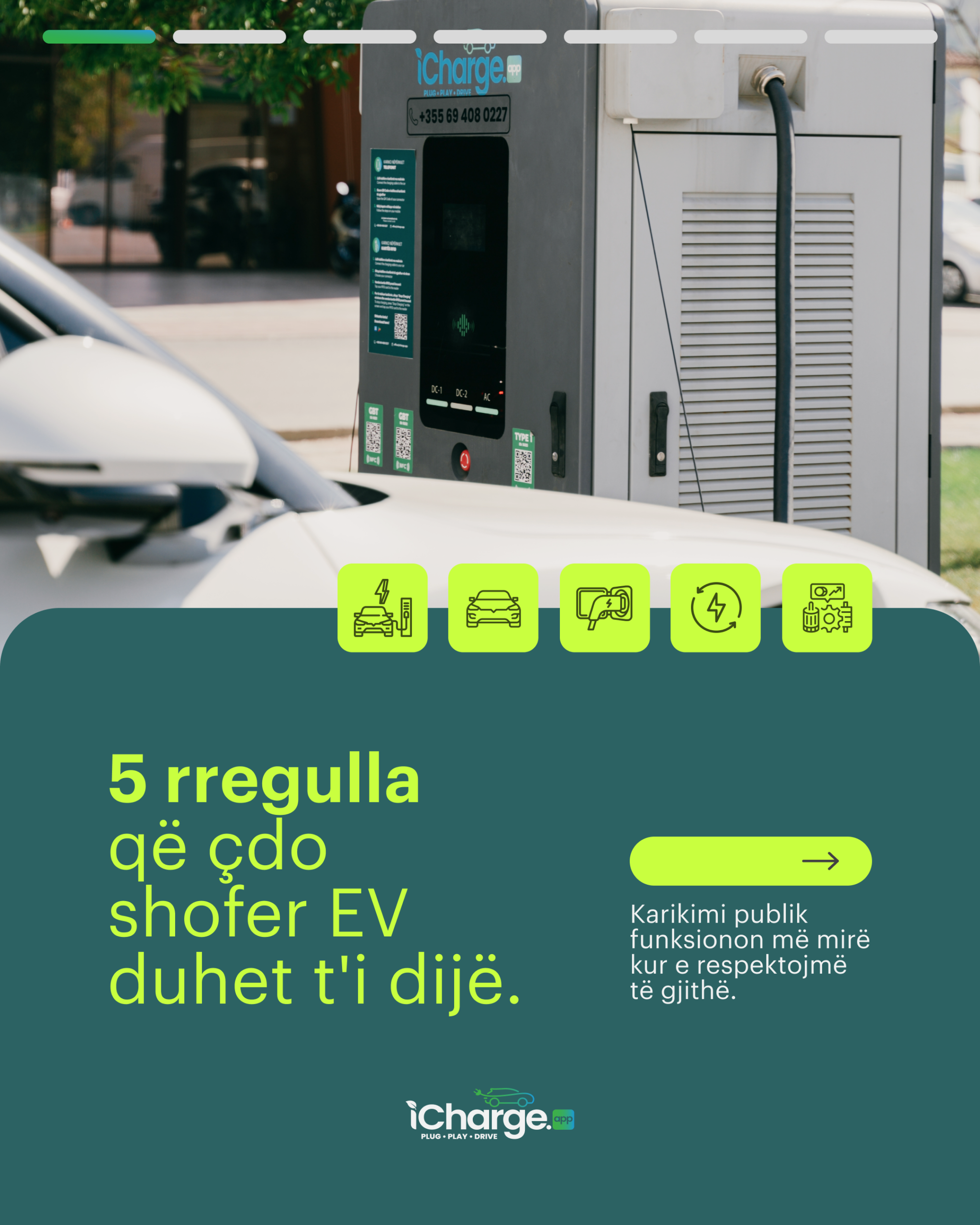
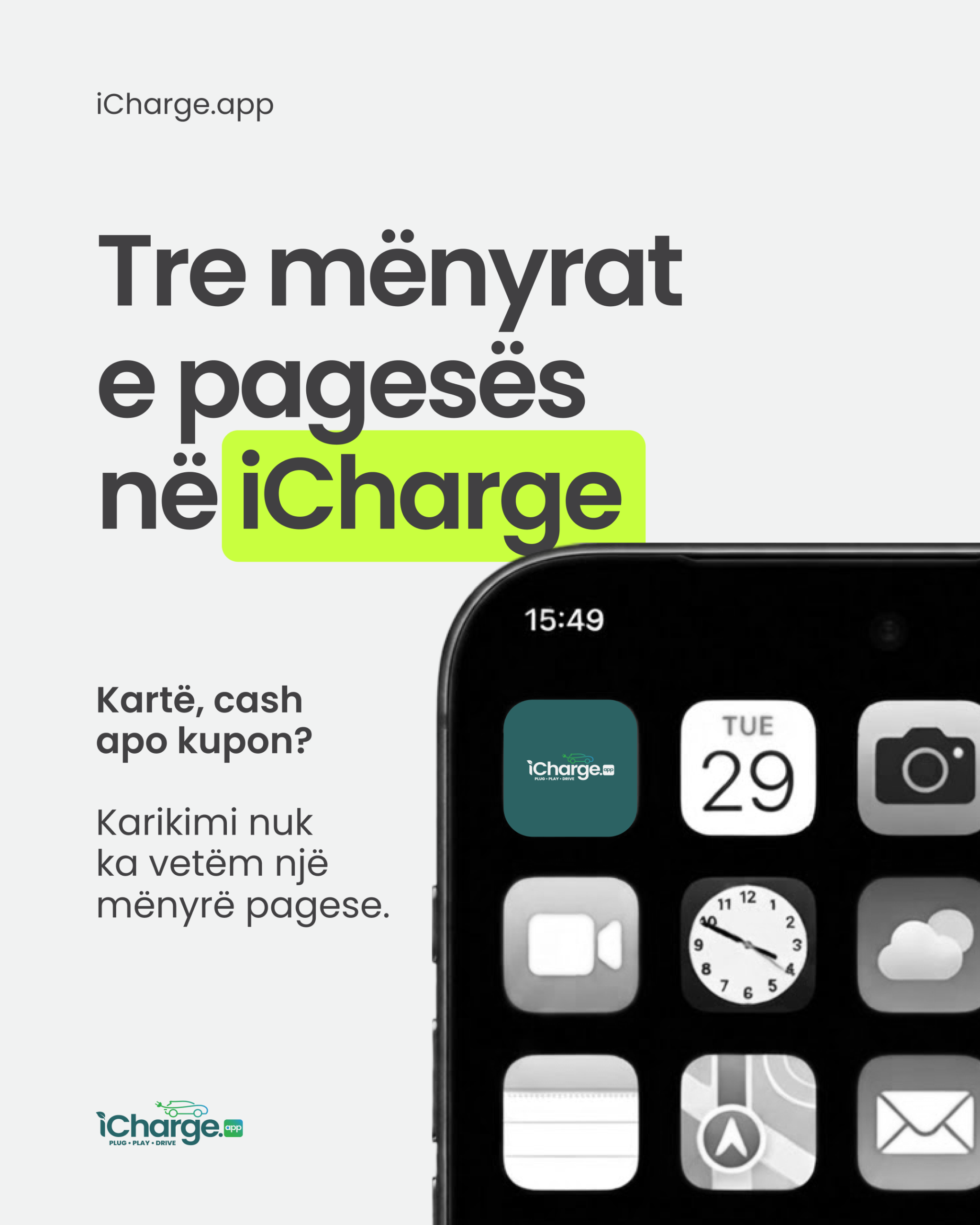
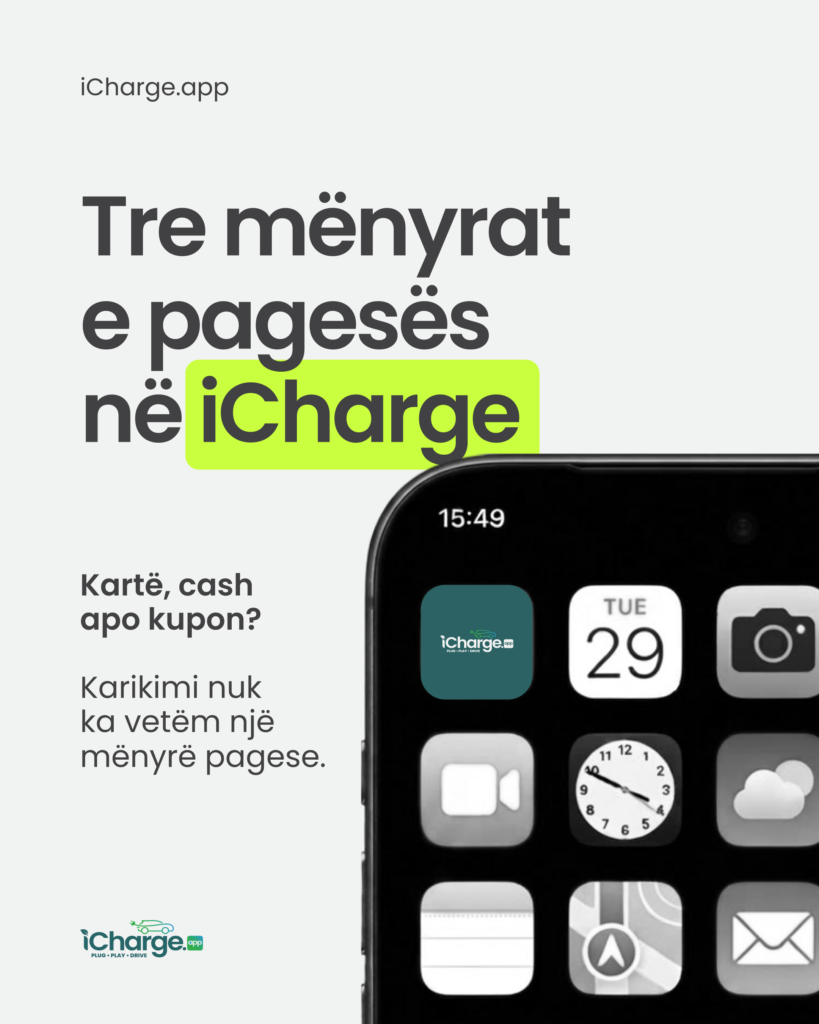
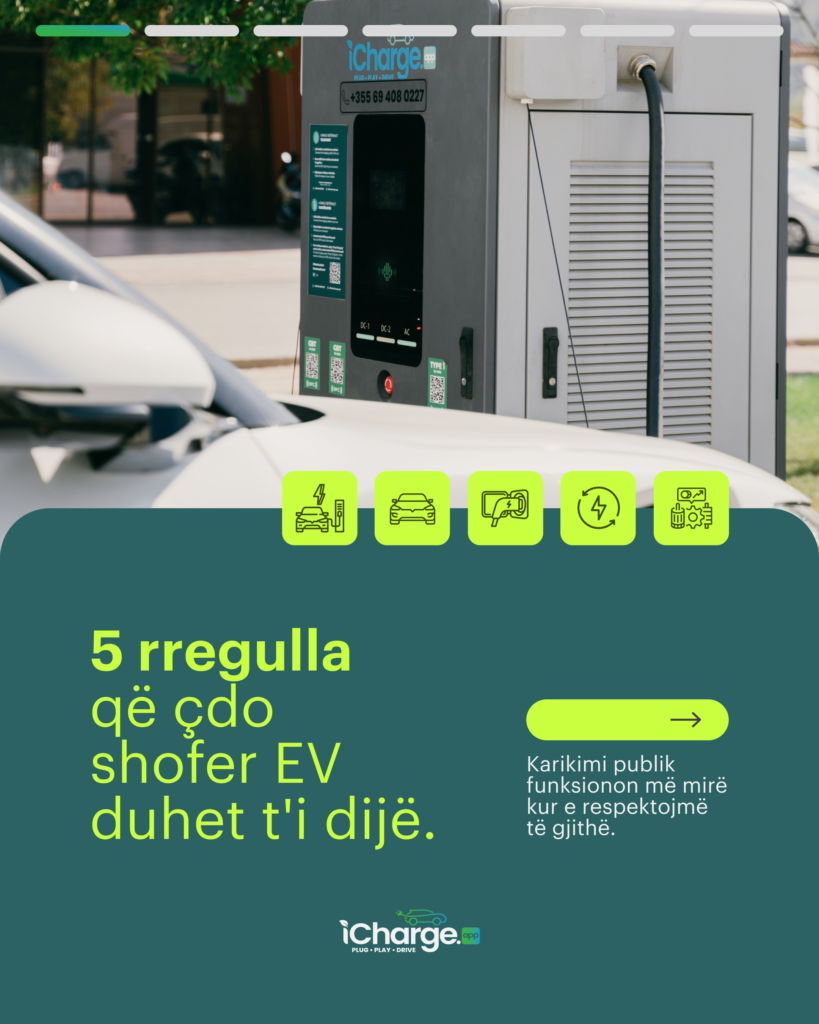
In the first month, the reels showed the app in everyday life: a driver plugs in her car and carries on with her day while it charges, and a direct explanation to camera walks viewers through iCharge in plain words. Carousels such as “three ways to pay in iCharge” and “five rules every EV driver should know” turned the most common questions into posts people save and share.
Results from the first month
Social media results for iCharge in the first month of the collaboration, compared with the previous period of the same length.
+403.6% — More Views: 88.8K views, 87,152 of them on Instagram.
+804.8% — More Accounts Reached: 28.5K viewers.
+493.9% — More Profile Visits: 3.2K Instagram profile visits.
+281.7% — More Content Interactions: 855 interactions.
+430.6% — New Follows: 260 new Instagram follows.
1.3K Instagram link clicks in the month, from almost none in the previous period.
Meta Business Suite: 1–31 October 2026 vs. the previous period of the same length. Results include a boosted campaign around 11 October.
Why this app social media strategy works
People do not download a charging app because of a logo. They download it when they have a problem it solves. An app social media strategy built on real questions, clear steps and real locations turns the feed into a practical guide, so iCharge becomes the first place drivers look when they need to charge.
Speaking to drivers and businesses in the same app social media strategy also builds the network itself. Every hotel or car park that installs a charger is a new reason for drivers to use the app, and every active driver is a reason for another business to join.
What other apps can take from it
- Set up the profile as onboarding: bio, highlights and pinned posts that answer the first questions.
- Build content around the real doubts of your users.
- Show the product in use, step by step, not only its features.
- If you serve two audiences, give each its own pillar within one brand.